Securing a professional pest control service in Sacramento establishes an impenetrable biological barrier against invasive rodents, termites, ants, and stinging insects that threaten Central Valley properties. Properties situated near the American River Parkway, McKinley Park, and mature urban tree canopies experience intense seasonal pest migrations that challenge residential perimeters throughout the year.
No forms — call now for a fast, no-pressure quote.
📞 Call (279) 238-3126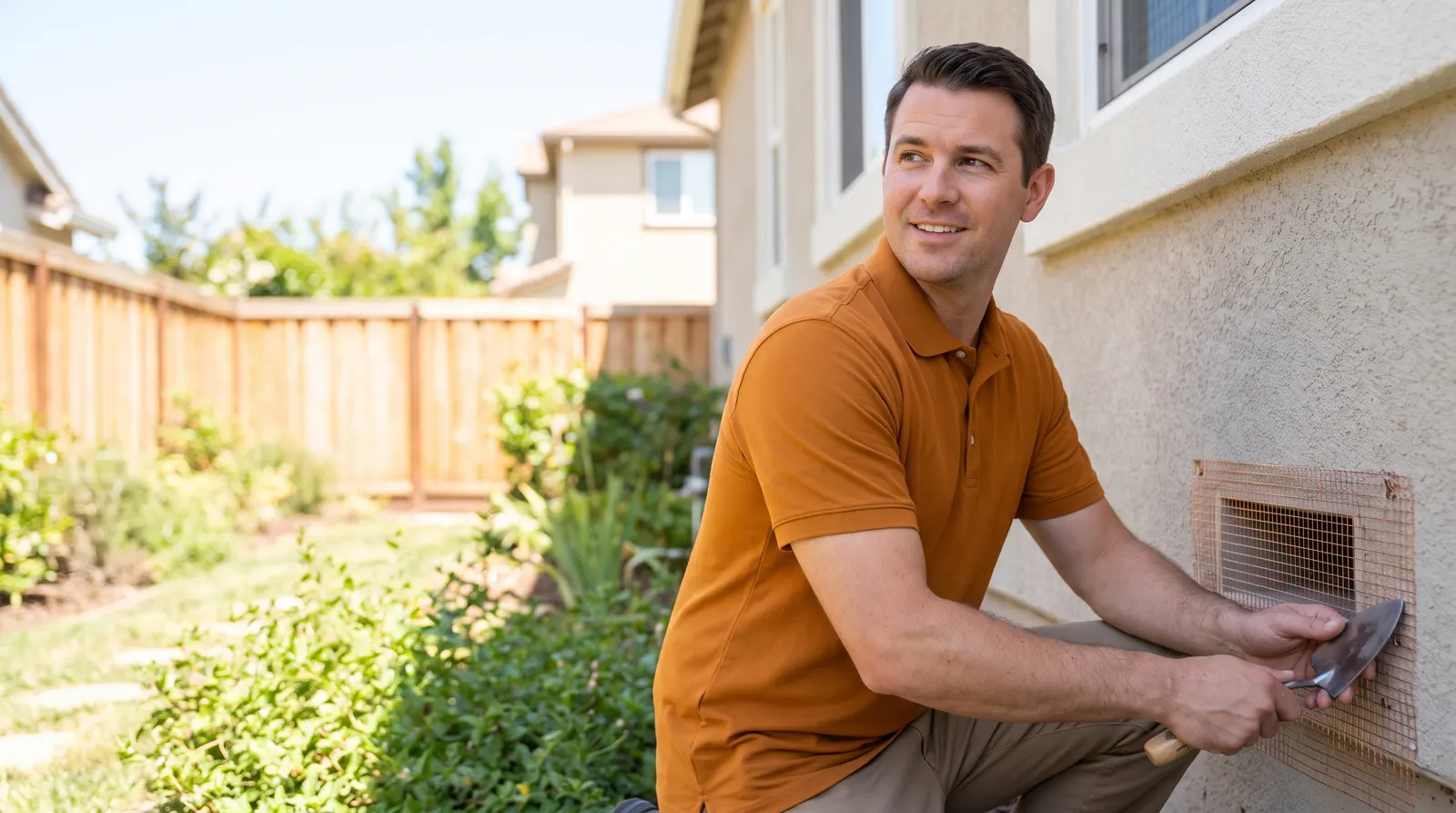
Pest Control Service in Sacramento is a specialized structural inspection, eradication, and biological exclusion process designed to eliminate wood-destroying organisms, invasive insects, and rodents from residential and commercial structures.
Every service reflects the same meticulous attention to detail — whether it's a single job or a larger pest control service project across Sacramento.
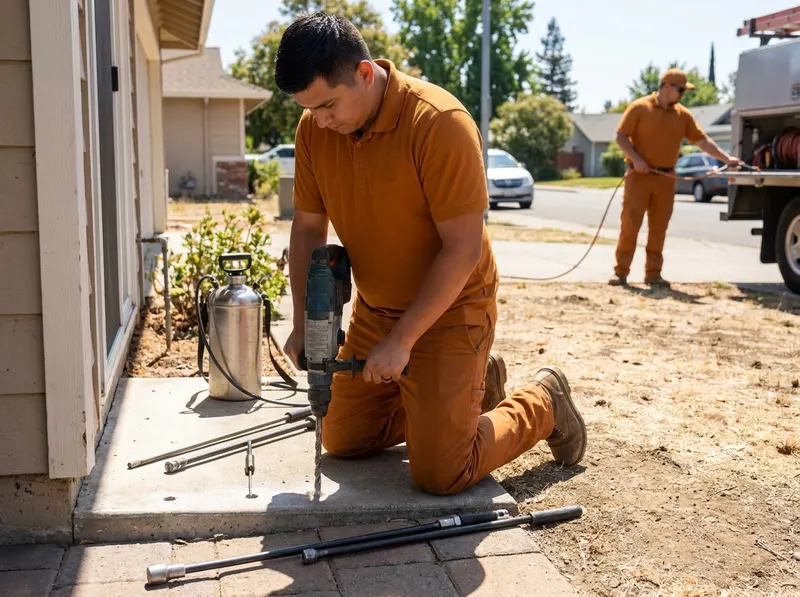
Sacramento soils harbor dense subterranean termite colonies that migrate upward into wood framing when moisture conditions surge during spring. Our subterranean termite barrier protocol involves continuous perimeter soil trenching, precision masonry drilling through contiguous concrete patios, and pressurized sub-slab injection of non-repellent liquid termiticides. By establishing an invisible, non-detectable treatment zone around foundation footings, foraging worker termites pass through the active zone without alarm, inadvertently carrying the chemical agent directly back to primary subterranean royal chambers. This biological transfer systematically collapses the entire termite colony, defending structural sills, subfloor joists, and stud bays against expensive wood rot and structural hollowings. Every application is calibrated to soil absorption rates found across Sacramento County, providing long-term structural wood protection without releasing hazardous airborne vapors into living spaces.
View details →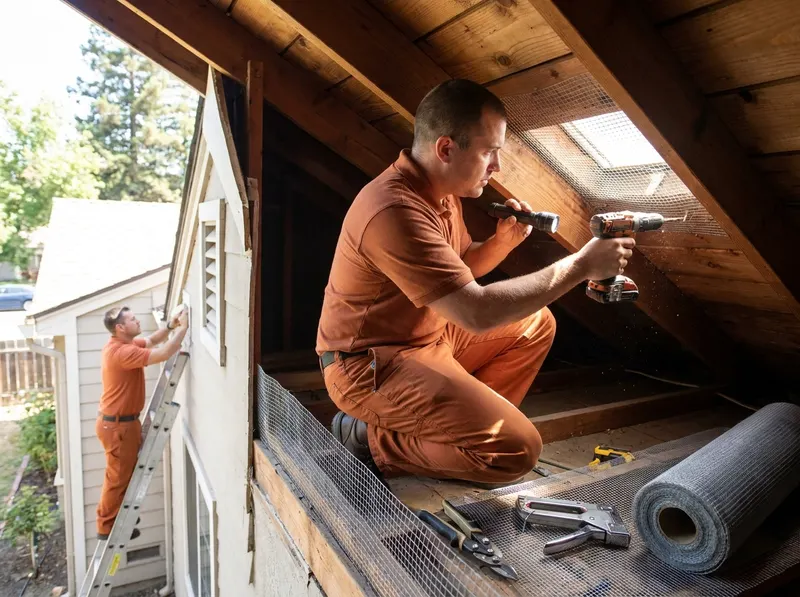
Roof rats and house mice frequently enter Sacramento homes by exploiting roofline junctions, attic dormers, gable louvers, and crawl space vent gaps. Our rodent defense protocol focuses on total mechanical exclusion rather than open-ended toxic baiting. Technicians conduct full perimeter surveys to map every entry gap larger than one-quarter of an inch, sealing vulnerabilities using heavy-duty twenty-gauge galvanized steel hardware cloth, elastomeric structural sealants, and custom-formed metal transition flashing. Once the exterior shell is structurally fortified, interior mechanical capture traps positioned strategically along attic travel paths eliminate all trapped rodents quickly without risk of secondary poisoning. This physical barrier approach prevents nocturnal scratching noises, eliminates attic insulation contamination, and safeguards electrical wiring against dangerous rodent gnawing.
View details →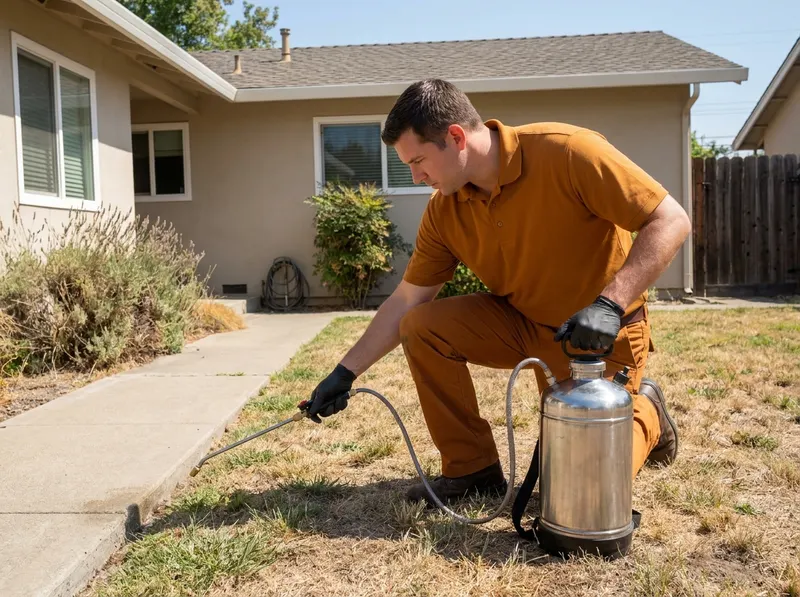
Sacramento's warm climate and expansive clay terrain support interconnected Argentine ant super-colonies containing millions of individual workers and multiple reproductive queens. Standard consumer insect sprays scatter these colonies across home interiors through a defensive mechanism known as budding. Our Argentine ant defense program deploys specialized non-repellent liquid barrier formulations alongside micro-dosed sweet and protein matrix baits applied to structural foundation perimeters, irrigation control boxes, and expansion joints. Foraging worker ants walk through the non-repellent barrier, absorb the slow-acting compound on their cuticles, and distribute the active agent to nursery chambers through natural social grooming and food sharing. This targeted biological strategy dismantles the colony hierarchy at the root, completely halting persistent kitchen, pantry, and bathroom ant trails.
View details →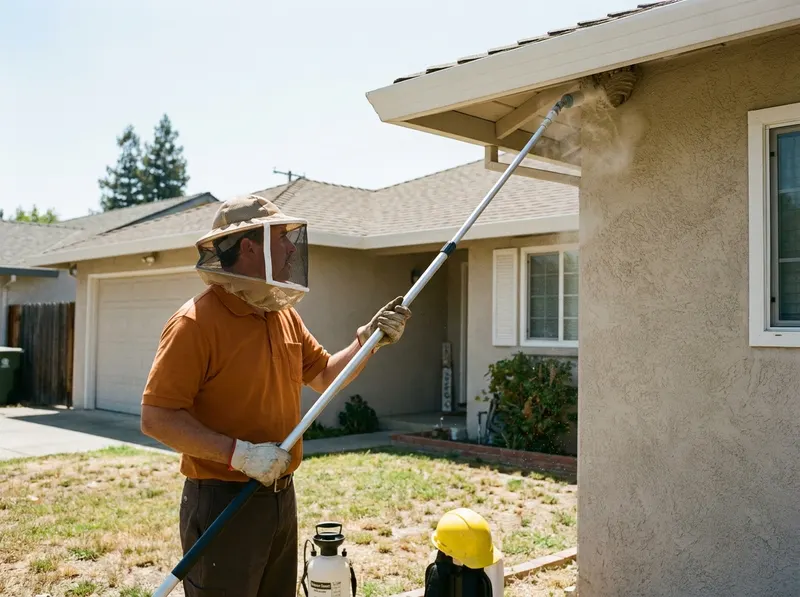
High summer heat across the Sacramento Valley accelerates the rapid growth of paper wasp, yellowjacket, and hornet colonies along residential rooflines, stucco eaves, covered patios, and window frames. Our stinging insect abatement service delivers immediate elimination of dangerous aerial and underground nests using professional long-range application equipment. Technicians remove active physical nest structures, safely extract stinging insects, and treat attachment zones with micro-crystallized residual barriers that discourage scout wasps from constructing new nests in treated architectural areas. For aggressive in-ground yellowjacket colonies common in Tahoe Park gardens and Land Park landscaping, subterranean injection protocols neutralize defensive workers within their underground tunnels, safeguarding outdoor entertaining spaces, children, and pets from painful seasonal stings.
View details →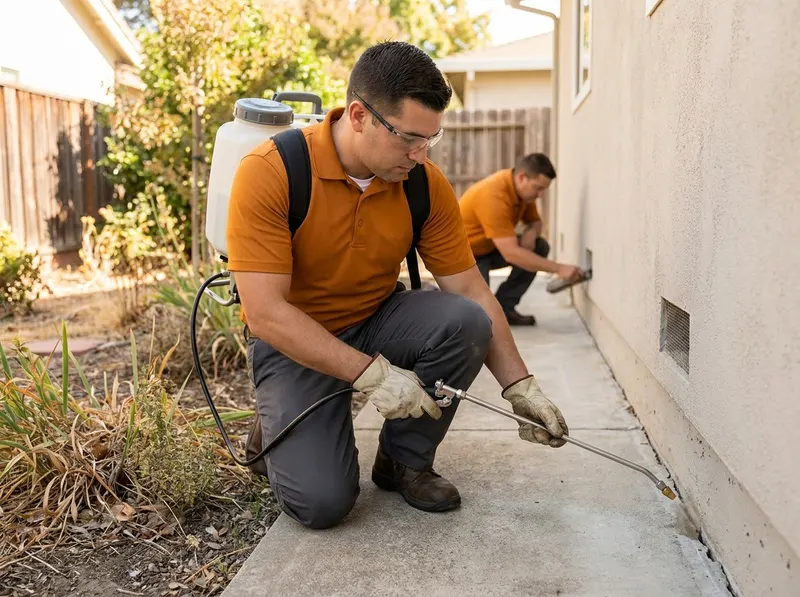
German cockroaches thrive inside warm moisture-rich kitchen cabinetry and behind appliances, while Oriental water bugs infiltrate ground-level entries, basements, and plumbing chases from municipal storm lines. Our clinical cockroach eradication protocol combines insect growth regulators (IGRs), low-toxicity biological gel baits, and targeted crack-and-crevice treatments into active harborage points. Insect growth regulators disrupt the reproductive molting cycles of juvenile nymphs, preventing them from maturing into breeding adults, while highly palatable gel matrices target established adult populations in localized motor compartments and utility penetrations. This double-action approach eliminates active indoor breeding pockets, cleans up food prep areas, and eliminates unsanitary biological allergen shedding throughout residential and commercial properties.
View details →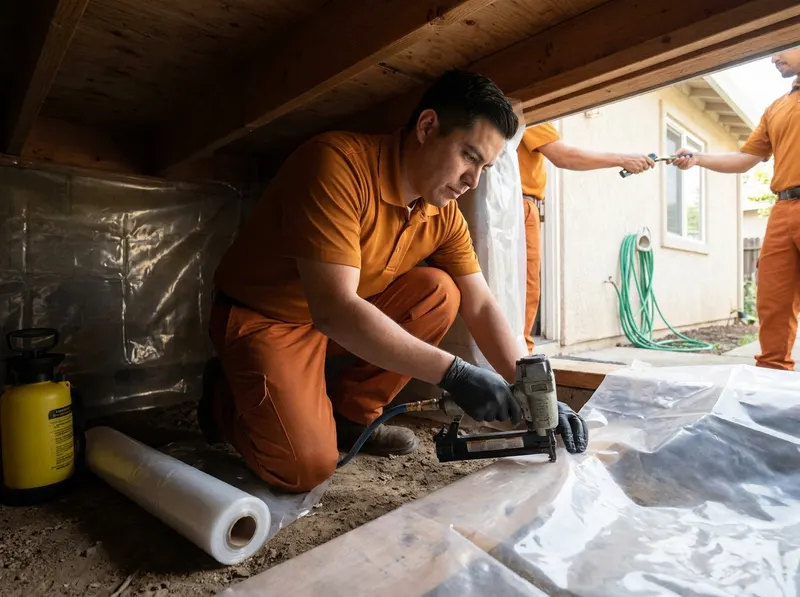
Homes with raised foundations throughout Midtown, East Sacramento, and Curtis Park often suffer from excessive subfloor humidity that attracts wood-boring beetles, subterranean termites, earwigs, and dampwood pests. Our crawl space defense program installs durable multi-mil polyethylene vapor retarder sheets directly over exposed ground dirt, sealing seams with moisture-resistant acrylic bonding tape. Technicians mechanically secure crawl space access doors, install corrosion-resistant brass foundation vent screens, and apply structural borate wood preservatives to floor joists and subflooring. This comprehensive sub-structure fortification reduces wood moisture content below decay thresholds, deters subterranean insects, and forms an impenetrable physical barrier against burrowing rodents seeking crawl space shelter during cold winter months.
View details →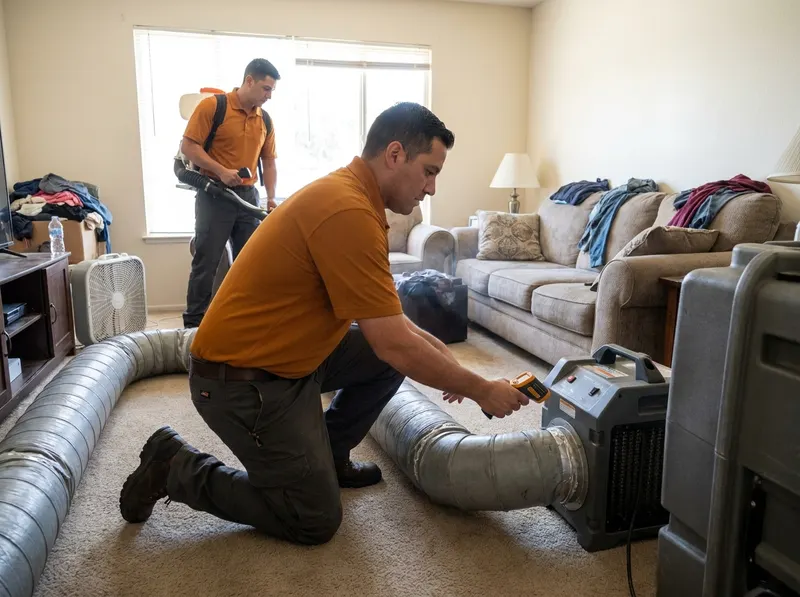
Bed bug infestations disrupt sleep, inflict itchy bites, and hide within microscopic structural recesses including mattress seams, baseboard channels, electrical outlets, and picture frames. Our bed bug remediation combines precision chemical residual barrier applications with targeted high-temperature heat remediation protocols designed to penetrate deep into upholstered furniture, box springs, and wall voids. Controlled thermal convection elevates room temperatures to lethal levels that denature bed bug proteins and destroy all life stages instantly, including microscopic eggs that resist conventional insect sprays. Follow-up residual treatments along baseboard perimeters create a continuous protective shield, ensuring total residential eradication and restoring immediate peace of mind to bedroom environments.
View details →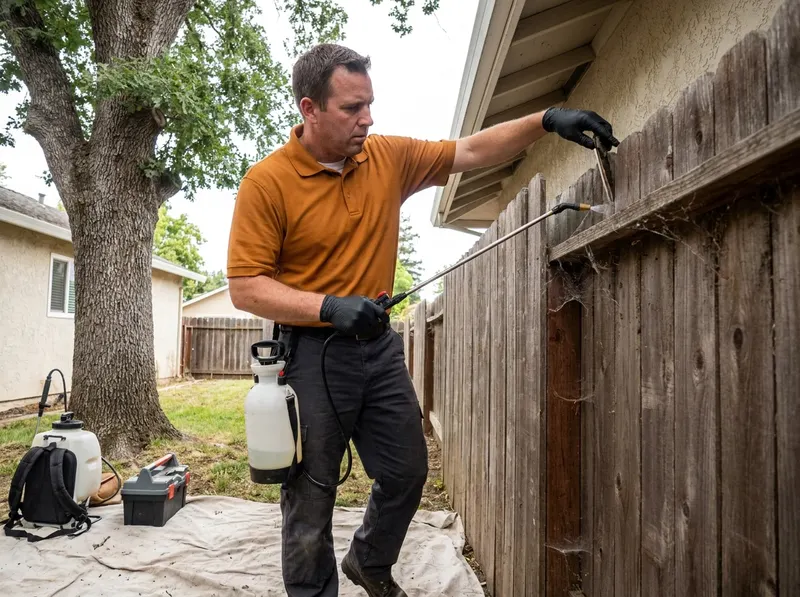
Black widows, brown house spiders, and cellar spiders build extensive webs around foundation perimeters, window wells, garage corners, and outdoor lighting fixtures across Sacramento homes. Our spider defense protocol begins with mechanical web sweeping using telescoping duster poles to remove egg sacs, sticky webbing, and accumulated exterior prey remains. Following physical removal, technicians apply microencapsulated repellent barriers around soffits, decorative lighting, patio overhangs, and foundation stem walls to eliminate the crawling insect populations that spiders feed upon. By systematically depriving arachnids of their primary food sources and dismantling their structural harborages, properties remain free from unsightly exterior webs and venomous black widow activity throughout the long Central Valley summer season.
View details →Pest Control Service in Sacramento is a specialized structural inspection, eradication, and biological exclusion process designed to eliminate wood-destroying organisms, invasive insects, and rodents from residential and commercial structures.
You get a firm, itemized quote for your pest control service before any work begins — no surprises, no pressure.
Careful prep, tidy work, and a full cleanup when we are done. We treat your home and belongings like our own.
The same trusted, background-checked team from the first call to the final check.
Selecting the correct structural pest defense strategy requires matching treatment methodology to pest biology, foundation construction, and environmental harborages. If your property displays active subterranean termite mud tubes along foundation stems or damaged sill plates, choose a non-repellent liquid soil barrier and sub-slab pressure injection rather than surface spray treatments or broadcast interior fogging; liquid termiticide creates a continuous lethal perimeter zone that foraging workers cannot detect, transferring the active ingredient back to the subterranean reproductive nest. If dealing with roof rats running along utility wires and nesting within attic insulation in historic East Sacramento or Curtis Park, choose comprehensive structural exclusion combined with mechanical snap trapping inside sealed attic spaces rather than exterior toxic rodenticide bait stations alone; relying solely on poison bait boxes leaves structural entry points completely accessible to new rodent populations, while increasing the probability that poisoned rodents will perish inside closed wall cavities, creating severe odor, fly breeding, and biological contamination issues. If managing massive seasonal Argentine ant trails infiltrating kitchens and bathrooms in slab-on-grade North Natomas homes, choose microencapsulated non-repellent perimeter applications and slow-acting borate liquid baits over store-bought pyrethroid sprays; contact-repellent sprays trigger stress-induced colony budding, causing multi-queen Argentine ant super-colonies to fracture into dozens of smaller satellite nests throughout interior drywall voids. If confronting aggressive yellowjackets or paper wasps nesting beneath high roof overhangs and second-story fascia boards, choose targeted high-pressure mechanical knockdown accompanied by residual pyrethroid surface coating instead of basic consumer aerosol cans; professional residual formulations prevent returning scout wasps from rebuilding aerial nests on the same architectural anchors. The universal trade-off across all structural pest management choices is that mechanical exclusion and biological root-cause remediation require higher initial labor and diagnostic evaluation compared to temporary topical spraying, but structural exclusion permanently halts the recurring cycle of seasonal indoor pest reinvasions.
Every project gets a firm, written price after a free on-site visit. Ranges below for orientation.
Tell us about your pest control service job and we'll send a clear, written quote — usually the same day. Or just call and talk to a real Sacramento pro.
(279) 238-3126
Sacramento presents distinct biological and architectural pest pressures driven by its historic housing stock, extensive urban forestry, and hot Central Valley climate. In historic neighborhoods like Midtown, East Sacramento, Curtis Park, and Oak Park, classic Craftsman bungalows and Queen Anne Victorians sit atop raised foundations with wood-framed crawl spaces. These ventilated crawl spaces, paired with mature tree canopies running along J Street, Folsom Boulevard, and Freeport Boulevard, create natural bridge routes for northern roof rats to travel directly from oak and walnut limbs onto residential rooflines, where they exploit deteriorated eaves, open fascia junctions, and un-screened attic dormers. In newer master-planned communities across North Natomas, Pocket-Greenhaven, and South Natomas, modern slab-on-grade foundations rest directly on expansive Sacramento River basin clay soils. When summer temperatures consistently push beyond 100 degrees Fahrenheit between June and September, this dense clay soil contracts and cracks, drying out outdoor moisture zones and forcing millions of Argentine ants to seek hydration inside air-conditioned home kitchens through foundation weep screeds and exterior plumbing penetrations. Additionally, residential properties situated within proximity to riparian corridors like the American River Parkway, Discovery Park, and Sutter's Fort State Historic Park encounter heavy seasonal pest migrations, including subterranean termites swarming after the first warm spring rains in March and paper wasps establishing aggressive summer breeding colonies under second-story stucco overhangs. Addressing these diverse localized threats requires targeted structural exclusion techniques, specialized knowledge of regional foundation styles, and precise biological chemistry calibrated to perform reliably under Sacramento's extreme seasonal temperature shifts.
Free estimates for Sacramento & the surrounding area.
 Elnovar Pest Defense Company